
Raghu Rai (1942–2026; Jhang, British India, now Pakistan) was one of India’s foremost photographers and a defining figure in modern Indian photojournalism. Trained initially as a civil engineer, he began photography in 1965 and joined The Statesman as its chief photographer in 1966, a position he held until 1976. He subsequently served as Picture Editor of Sunday, a weekly news magazine published from Calcutta, from 1977 to 1980. In 1977, following a nomination by Henri Cartier-Bresson, Rai joined Magnum Photos, becoming the first Indian photographer to be associated with the prestigious international agency.
In 1982, Rai became Picture Editor, Visualiser and Photographer at India Today, where he worked until 1991. Over the course of more than six decades, he devoted much of his practice to documenting India, developing an expansive body of work encompassing its people, cities, landscapes, religious communities, political life, and defining historical events. His photographs and photo essays appeared extensively in leading international publications including Time, Life, National Geographic, Le Figaro, Le Monde, Die Welt, The New York Times, The Sunday Times, Newsweek, Vogue, GQ, Marie Claire, The Independent, and The New Yorker.
Rai produced numerous acclaimed books on India and its diverse cultures and communities, including Delhi, The Sikhs, Calcutta, Khajuraho, Taj Mahal, Tibet in Exile, and Mother Teresa. His documentation of the 1984 Bhopal Gas Tragedy, undertaken on special assignment for Greenpeace International, became one of the most powerful photographic records of the disaster. The work was subsequently published as a book and presented through three sets of exhibitions that travelled internationally. In 2002, Rai participated in a special exhibition and book project on India and Mexico alongside Sebastião Salgado and Graciela Iturbide.
Rai received the Padma Shri in 1972, one of India’s highest civilian honours. In 2009, he was conferred the title of Officier des Arts et des Lettres by the French Government. In 2018, the Lucie Foundation, New York, honoured him as a Master of Photojournalism. In 2019, he received the William Klein Award from the Academy of Fine Art Photography for his lifetime contribution to photography, becoming the first recipient of the award.
His work has been the subject of major exhibitions internationally, including retrospectives at the Rencontres d’Arles Photography Festival in 2007 and the National Gallery of Modern Art, New Delhi, in 2008. He held two solo exhibitions with Ojas Art, Delhi That Was… (2012) and Picturing Time (2015). Rai also served repeatedly as an adjudicator for the World Press Photo Contest and UNESCO’s International Photo Contest. In 2012, he established the Raghu Rai Center for Photography to share his knowledge and experience with younger generations of photographers.
Raghu Rai died in New Delhi in 2026 at the age of 83. His career, spanning more than six decades, produced an extraordinary visual record of modern India and established him as one of the country’s most influential photographers. Through his deeply humanistic approach, Rai transformed the documentary photograph into a powerful form of cultural memory, capturing India’s people, places, histories, and contradictions with an unmistakable visual language that continues to shape the practice of photography in India and beyond.
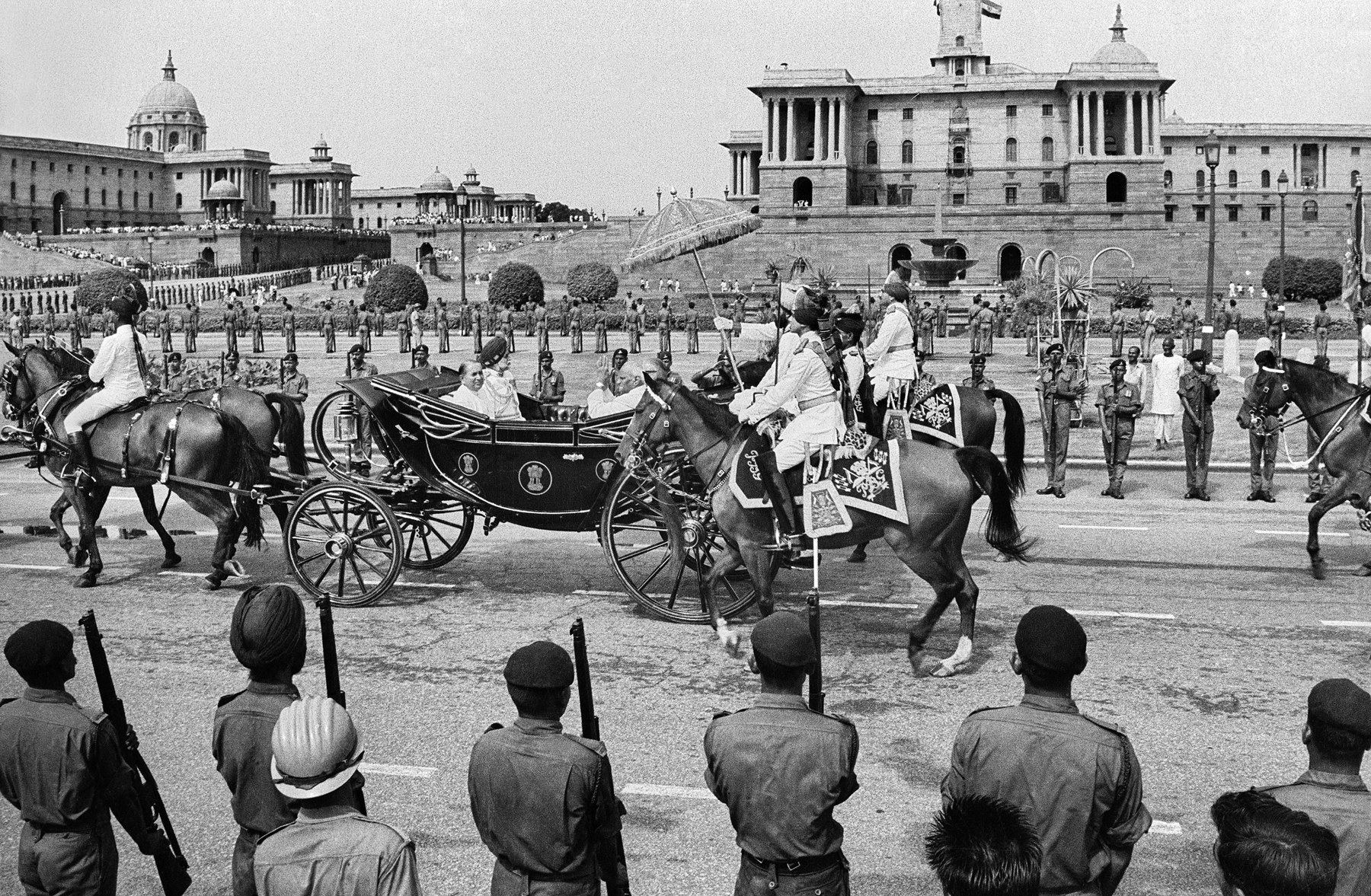
Edition of 51
1972
Photographic Print on Archival Paper
14.6 x 22 inch
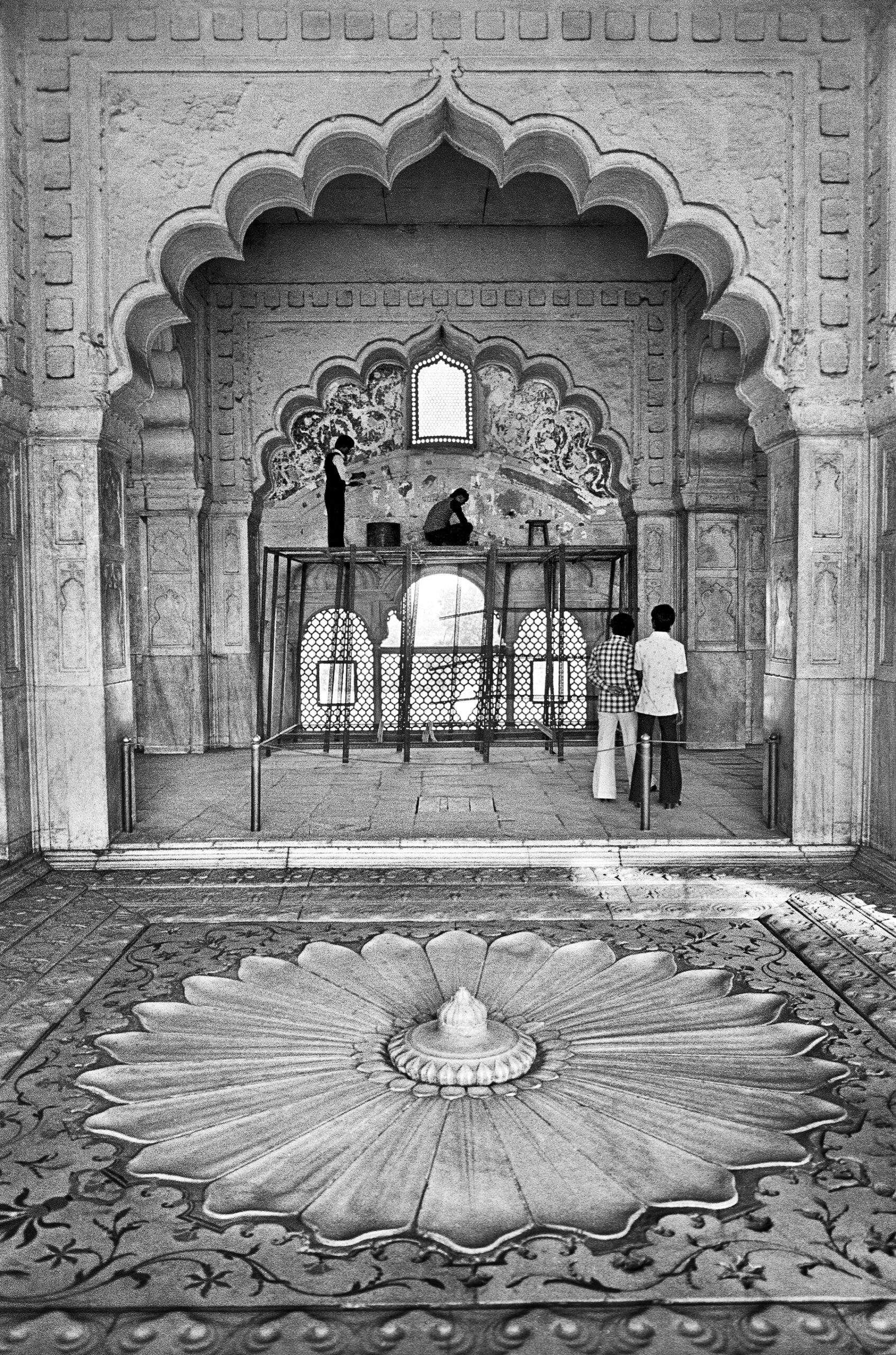
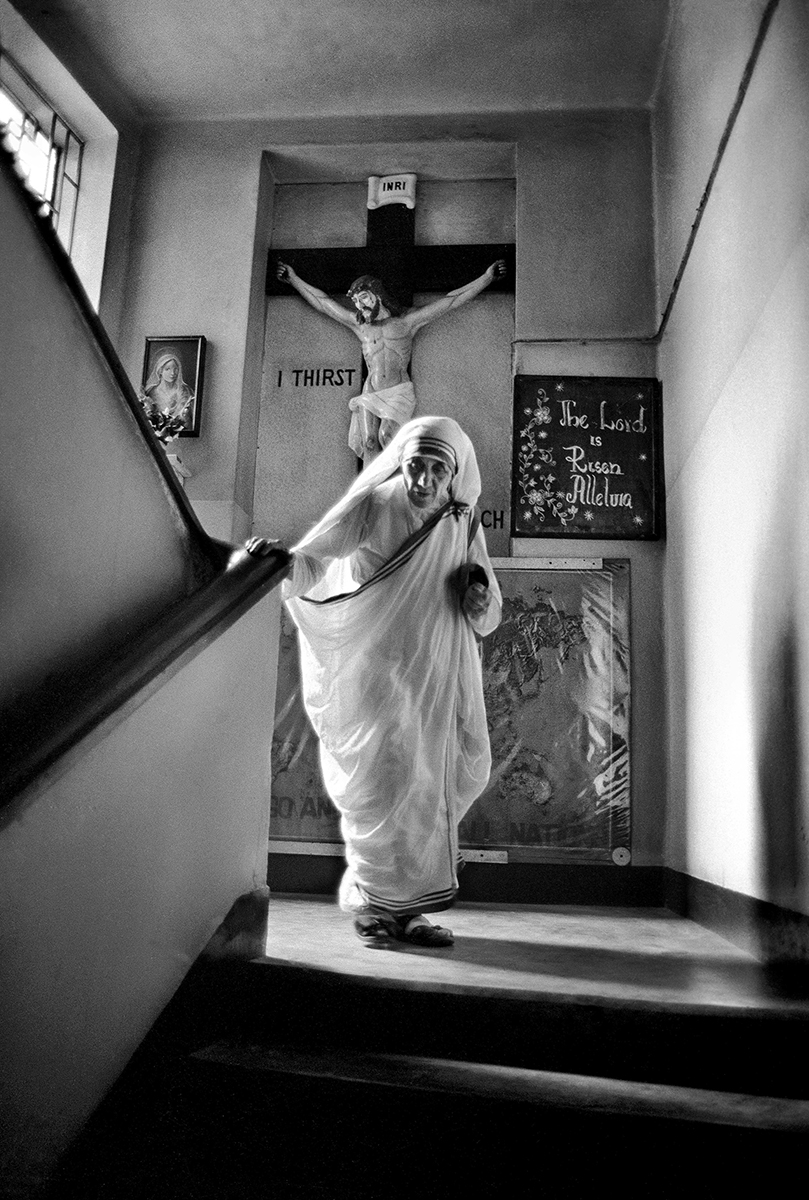
Edition of 10
1970
Photographic Print on Archival Paper
30 x 20 inch
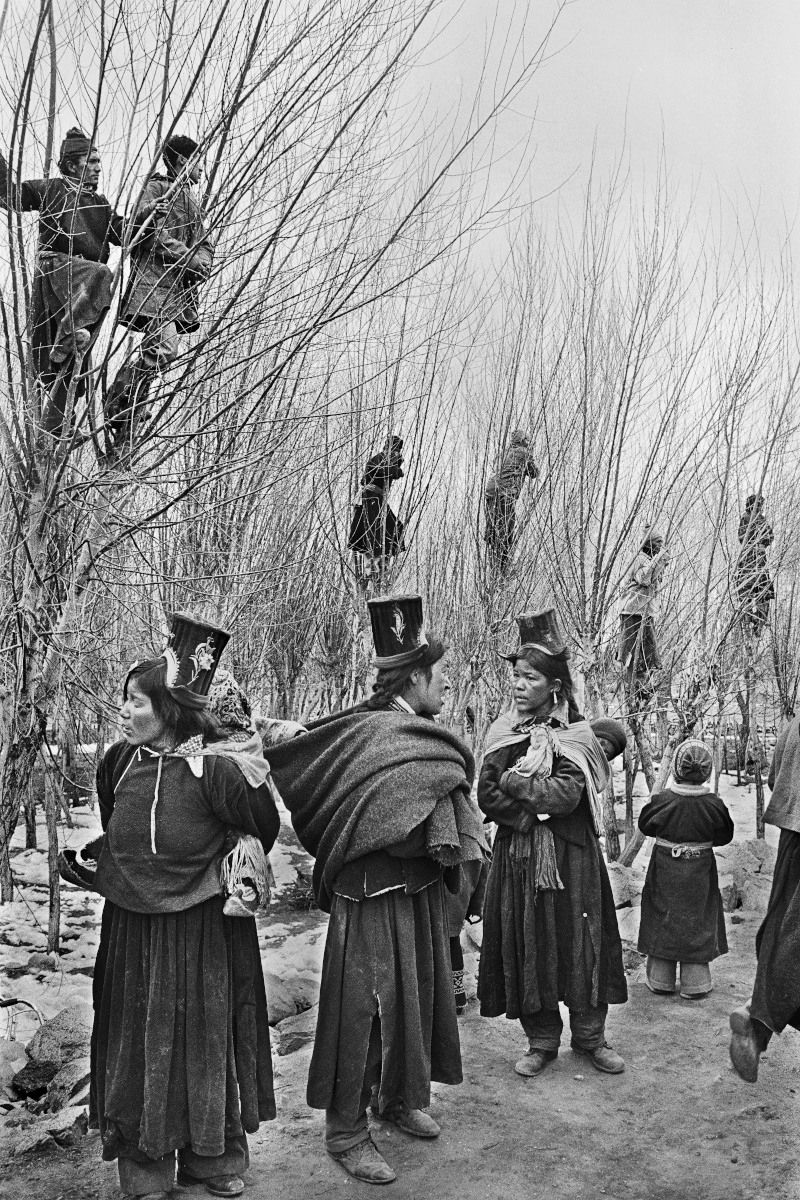
Edition of 5
1975
Photographic Print on Archival Paper
30 x 20 inch
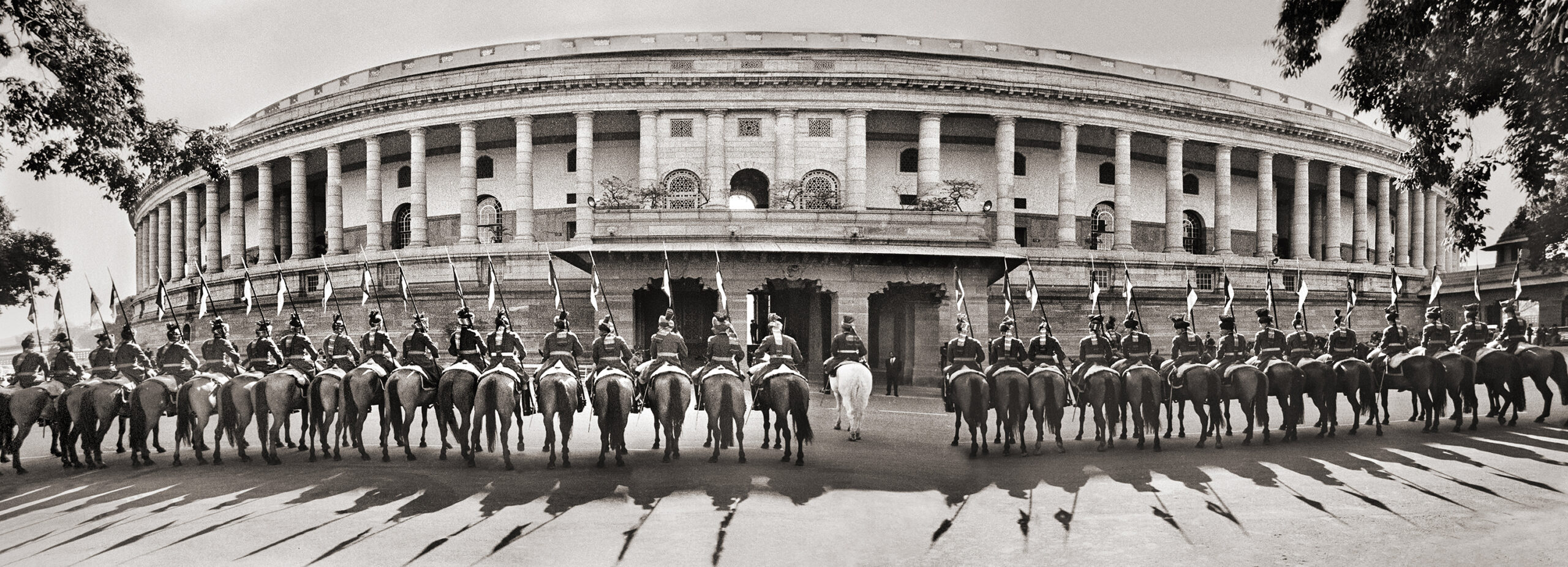
Edition of 20
1977
Photographic Print on Archival Paper
15 x 42 inch