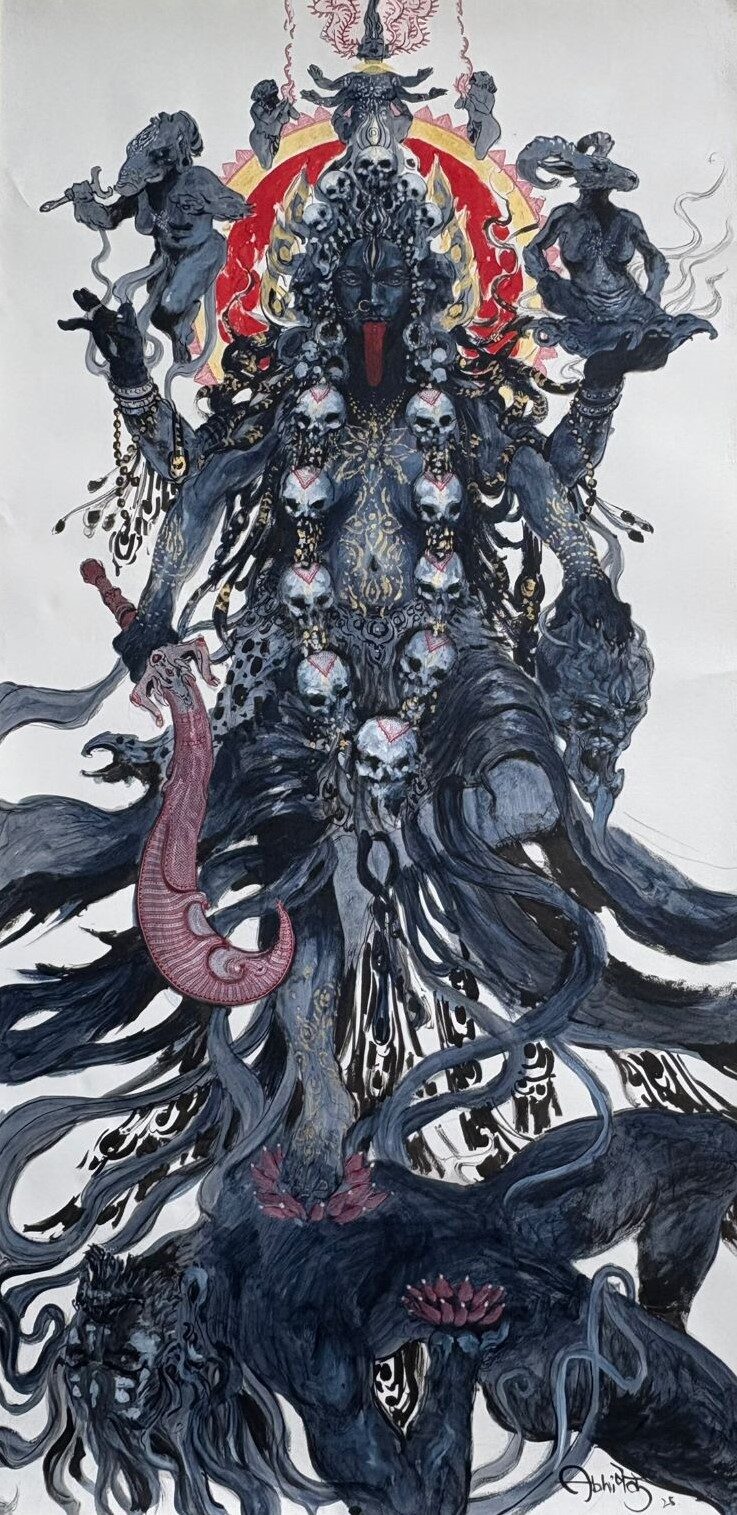
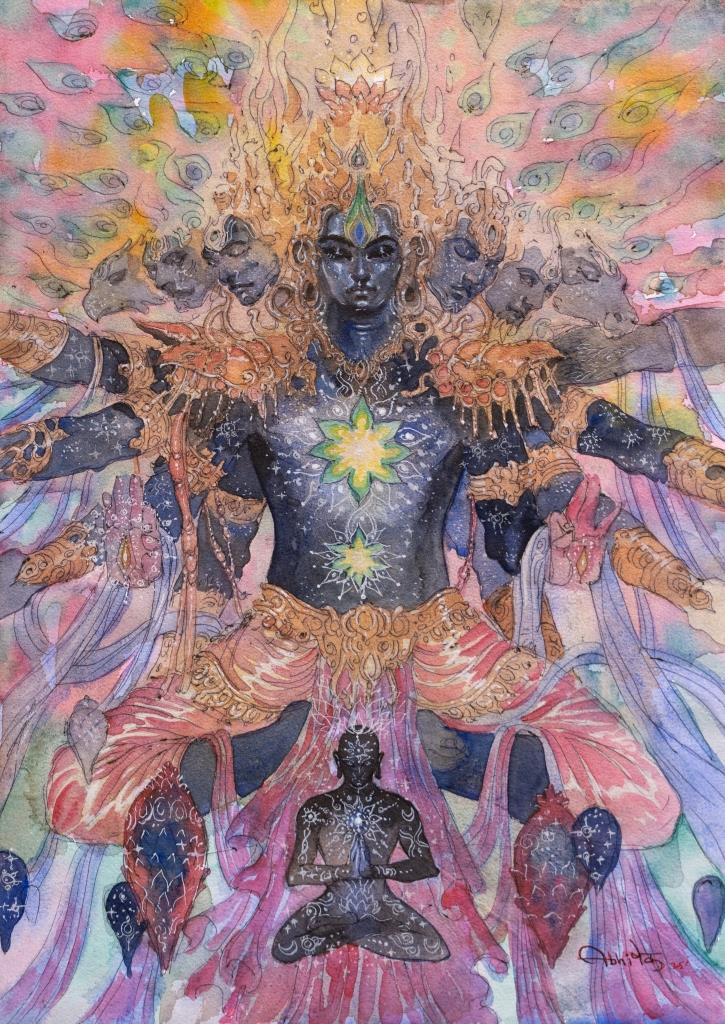
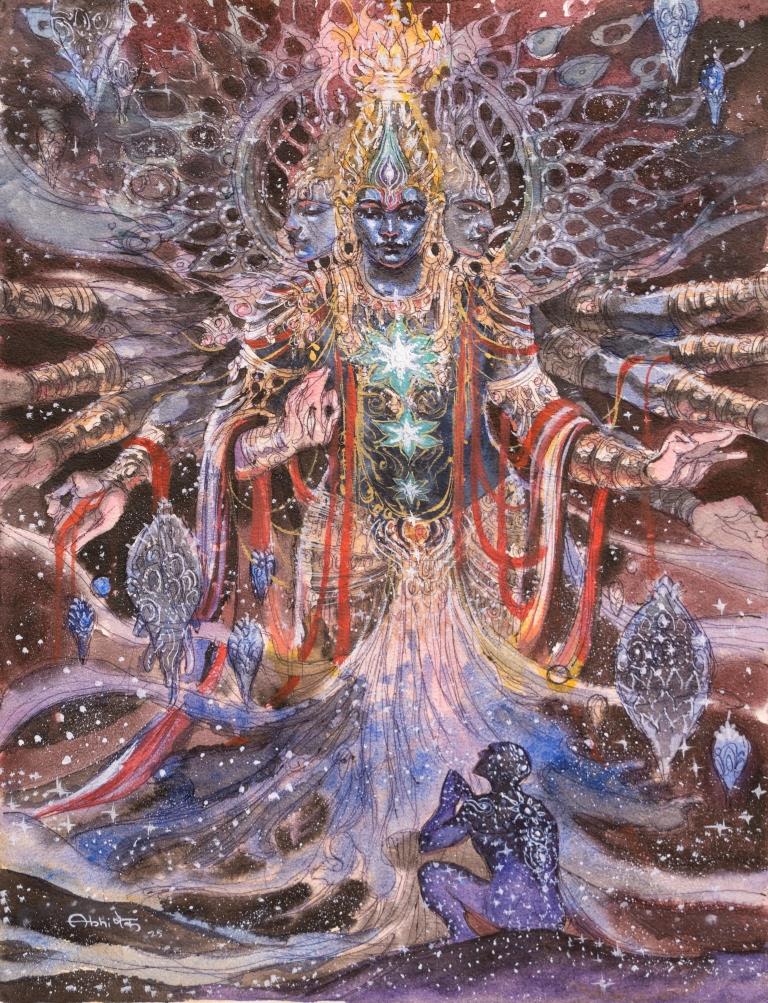
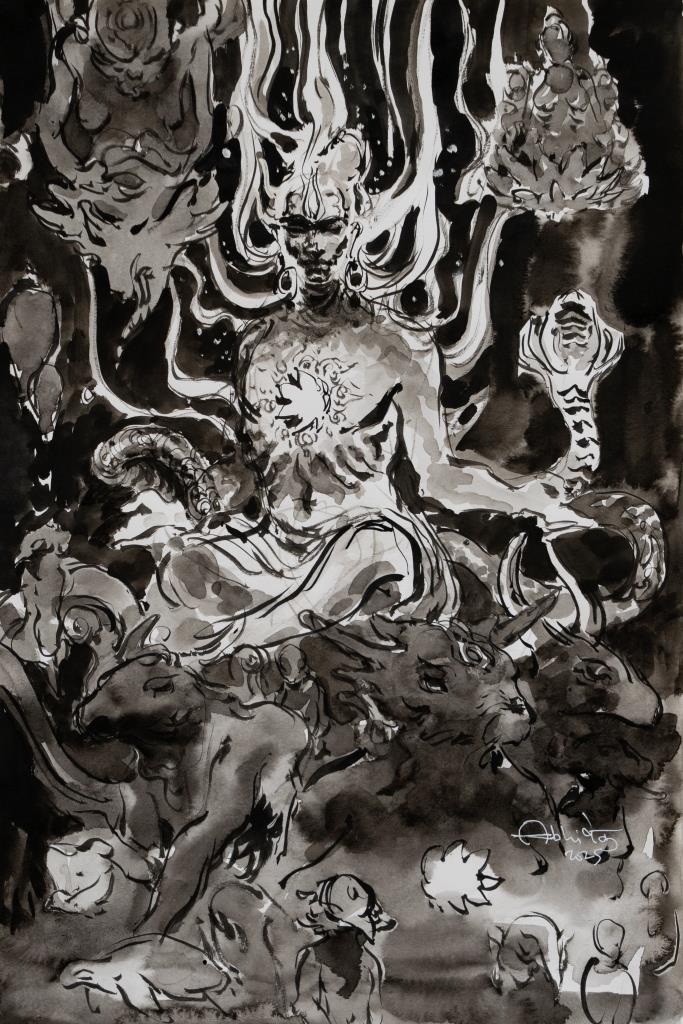
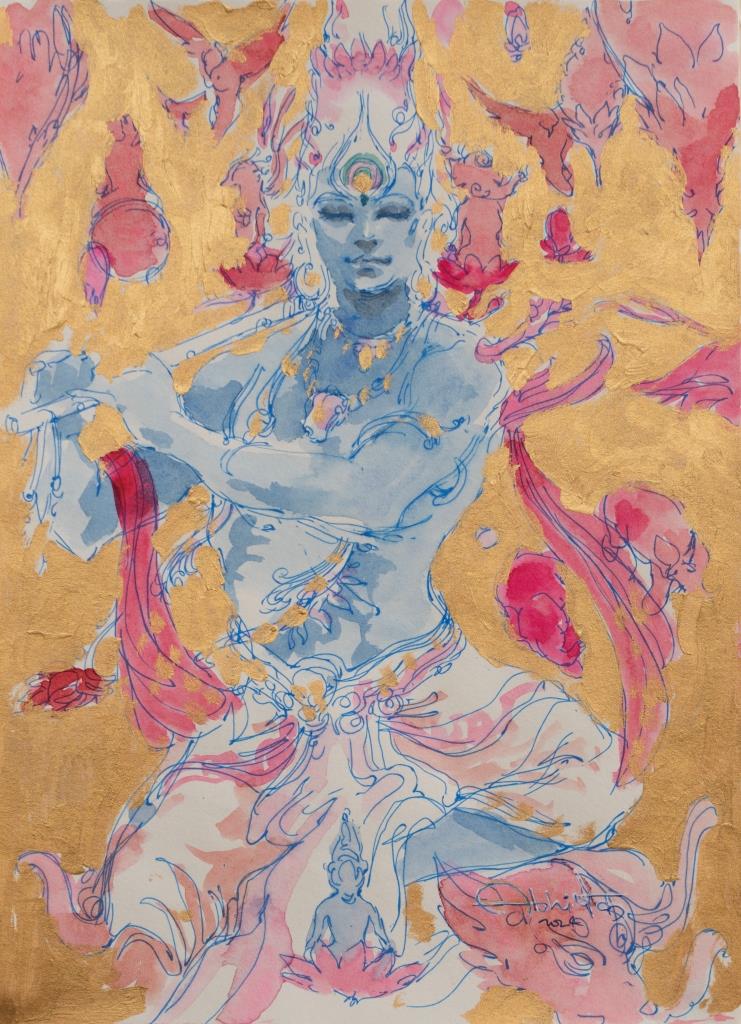
Abhishek Singh (b. 1982; India) is an artist, author, and visual storyteller whose practice bridges mythology, philosophy, ecology, and contemporary art. He studied Animation and Film Design at the National Institute of Design, India, and creates immersive visual worlds through painting, drawing, graphic narratives, and performance that draw upon ancient wisdom traditions while engaging with questions of identity, spirituality, consciousness, and humanity’s relationship with the natural world.
His artworks have been exhibited at leading museums and cultural institutions worldwide, including the Los Angeles County Museum of Art (LACMA), Asia Society Texas Center, Houston; Middlebury College Museum of Art, Vermont; Michael C. Carlos Museum, Atlanta; Ferenc Hopp Museum of Asian Arts, Budapest; Mori Art Museum, Japan; and Bowers Museum, California, as part of Asian Comics: Evolution of an Art Form. His work has also been presented at international festivals and cultural platforms including Burning Man, OZORA Festival, Hungary, and the Jaipur Literature Festival, reflecting the interdisciplinary and expansive nature of his practice.
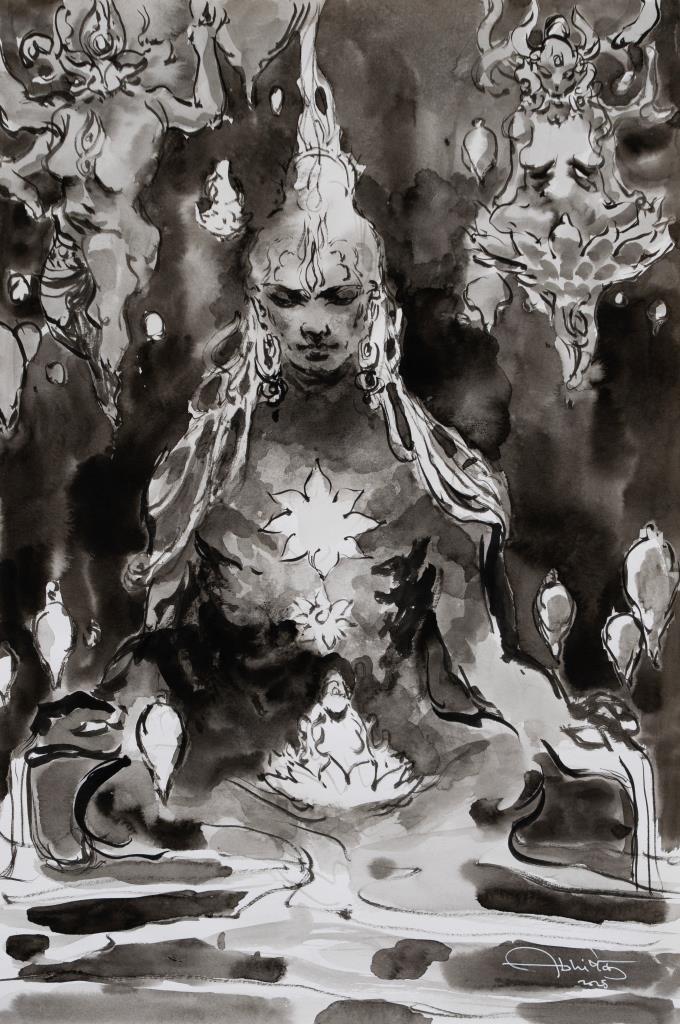
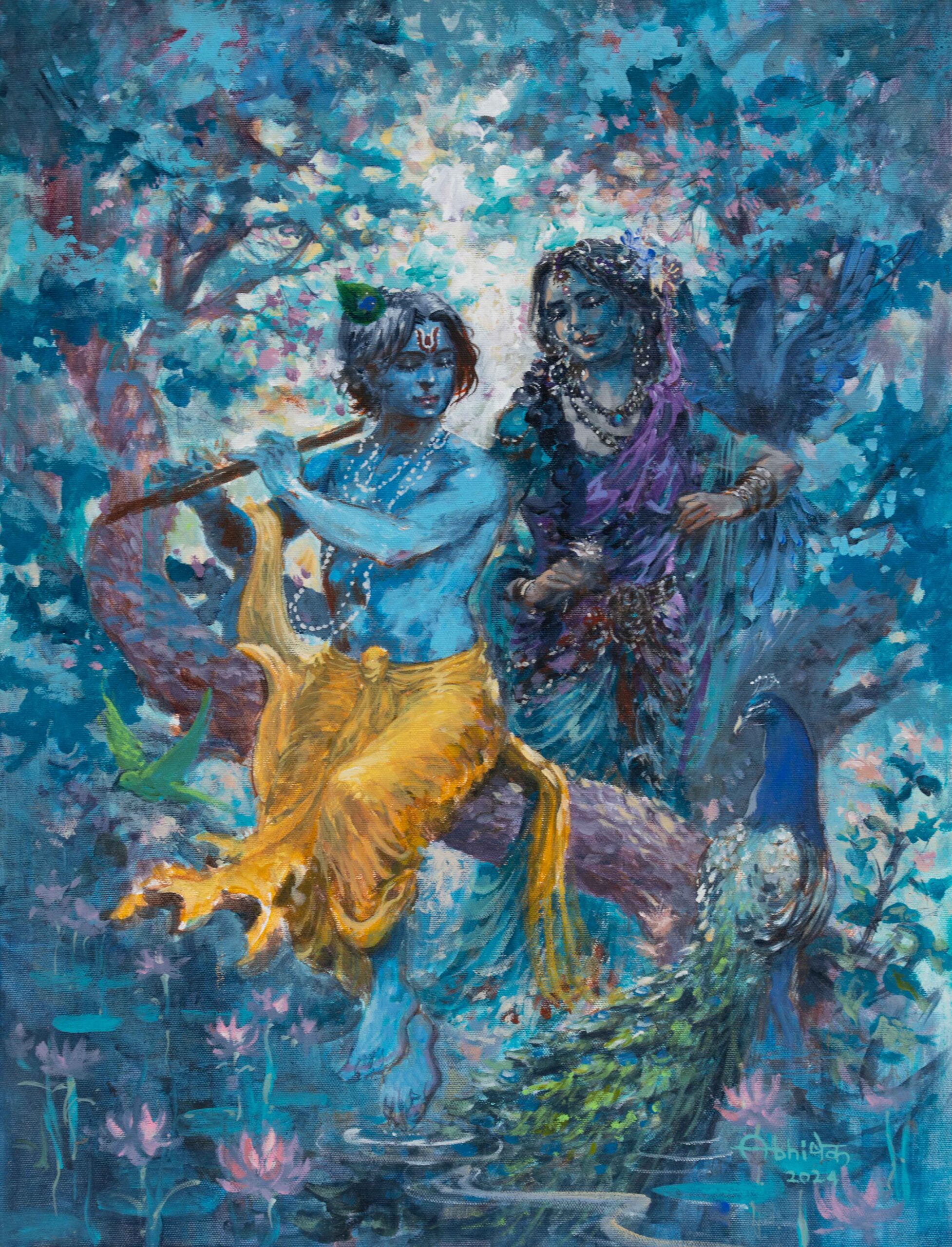
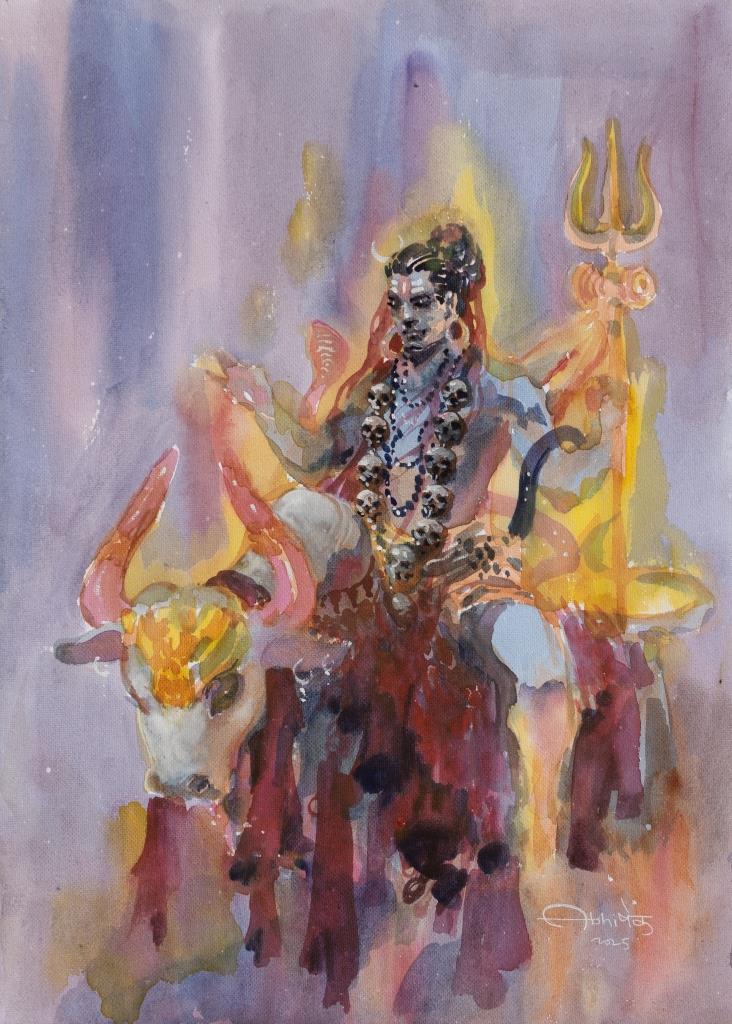
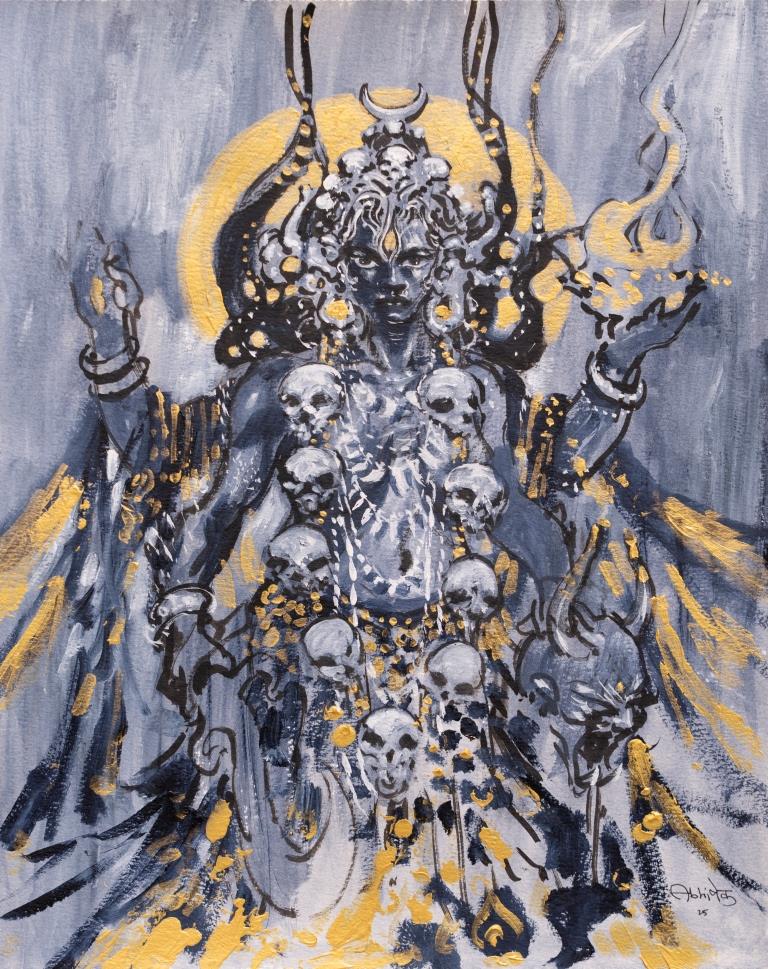
A significant part of Singh’s artistic practice explores mythology and sacred narratives through contemporary visual storytelling. His trilogy of illustrated books—Namaha: Stories from the Land of Gods and Goddesses (2019), Purnam: Stories & Wisdom of the Feminine Divine (2022), and Sarvam: Divine Tales of Oneness, Virtues & Harmony (2024)—forms an interconnected body of work exploring themes of divinity, interconnectedness, and the enduring relevance of ancient wisdom traditions. His landmark graphic novels Ramayana 3392 A.D. (created with Deepak Chopra) and Kali and Shiva (created with Shekhar Kapur) have collectively sold over half a million copies, been translated into multiple languages, and continue to reach readers worldwide.
Singh’s recent artistic explorations have culminated in the solo exhibitions Hymns of Medhini (2023) and Process to Path: An Artist’s Journey of Exploration Rooted in Stories and Spirituality (2025). These bodies of work expand his mythological universe through reflections on the wisdom of the Earth, the Himalayan landscape, and his longstanding engagement with elephants and ecological consciousness. Rooted in themes of spiritual oneness and perennial wisdom, they mark an important evolution in his visual and literary practice.
Beyond the studio, Singh is known for his live drawing and painting performances, which transform artistic creation into immersive acts of storytelling. His live works have been presented at institutions and events including the Ferenc Hopp Museum of Asian Arts, Michael C. Carlos Museum, Guadalajara International Book Fair, Jaipur Literature Festival, and OZORA Festival. His large-scale live painting project on the ghats of Varanasi, supported by Ojas, brought together mythology, landscape, spirituality, and performance, creating a public engagement with his evolving visual language.
Singh’s practice exists at the intersection of mythology, science, spirituality, ecology, and narrative. Through painting, drawing, books, and performance, he continues to reimagine timeless wisdom for contemporary audiences, creating works that are intimate, contemplative, and deeply connected to universal human experiences.